Buying guide
Patek Calatrava: 6119 vs 5226 Buying Guide
Choose between the Patek Calatrava 6119 and 5226 with a clear guide to fit, movements, service costs, paperwork and the checks that matter when buying used.
By Grailr Watch Intelligence · · 12 min read
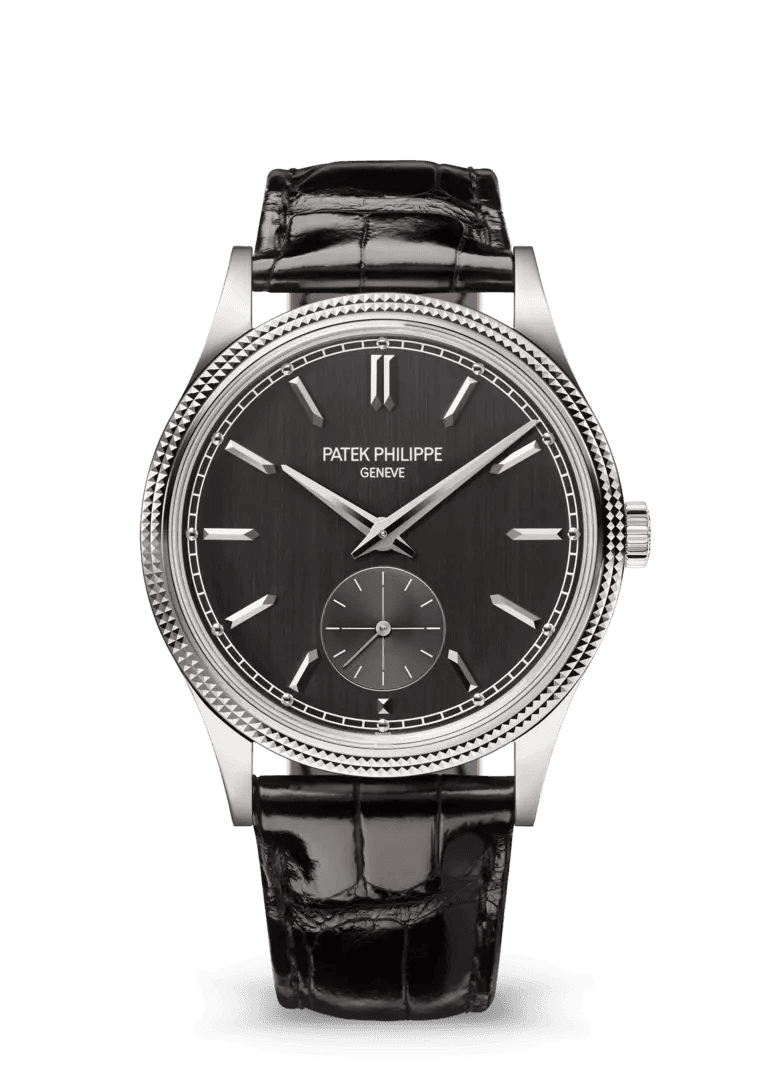
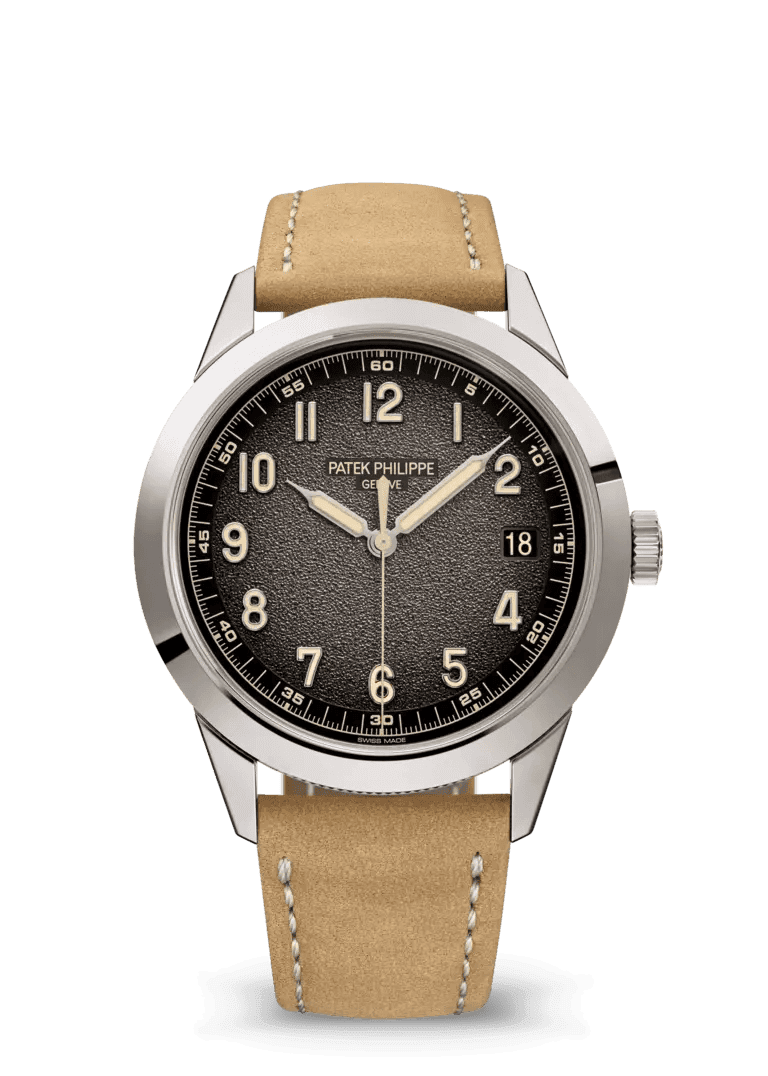
Manufacturer photographs show the exact references compared below. Images are displayed independently, not to the same physical scale.
Choose the Calatrava you will actually wear
A Patek Calatrava can be a restrained dress watch or a more casual daily companion, depending on the reference. The 6119G-001 and 5226G-001 make that distinction particularly clear. Both use white-gold cases, but they offer different dial layouts, winding routines and personalities. Deciding which one you want should come before deciding whether a seller’s price looks tempting.
Start with the 6119 if you enjoy a clean small-seconds dial and the ritual of winding a watch yourself. Start with the 5226 if a date and automatic winding are useful to you, and you prefer a textured dial with a less formal appearance. These are editorial starting points based on their specifications, not claims from a hands-on test. Your own try-on should determine which belongs on the shortlist.
This guide compares the two exact references and explains the evidence to request when buying used. It is not a price list for every watch carrying the Calatrava name. If you need the wider collection first, our Patek Philippe guide provides that context. For an actual transaction, return to the complete reference, the individual watch’s condition and the terms of the offer.
A useful discipline is to write down your preferred configuration before browsing discounts. Include the case metal, dial, winding type and size you would choose without a sale banner. Otherwise, a lower price can gradually persuade you to buy a different watch from the one that originally interested you. At this level, a modest saving is poor compensation for a purchase you rarely wear.
The 6119G and 5226G specifications
The 6119G-001 product record and 5226G-001 record establish the differences below. Dimensions and movement details were checked on 19 November 2026. The case measurements help narrow a shortlist, but the shape of the lugs and the strap’s fit still need to be assessed on your wrist.
| Detail | 6119G-001 | 5226G-001 |
|---|---|---|
| Case | White gold | White gold |
| Diameter / thickness | 39 / 8.08mm | 40 / 8.53mm |
| Movement | Manual 30-255 PS | Automatic 26-330 S C |
| Stated power reserve | Minimum 65 hours | Minimum 35, maximum 45 hours |
| Display | Hours, minutes, small seconds | Hours, minutes, central seconds, date |
| Hobnail decoration | Bezel | Caseband |
| Original strap configuration | Black alligator | Beige calfskin plus additional black calfskin |
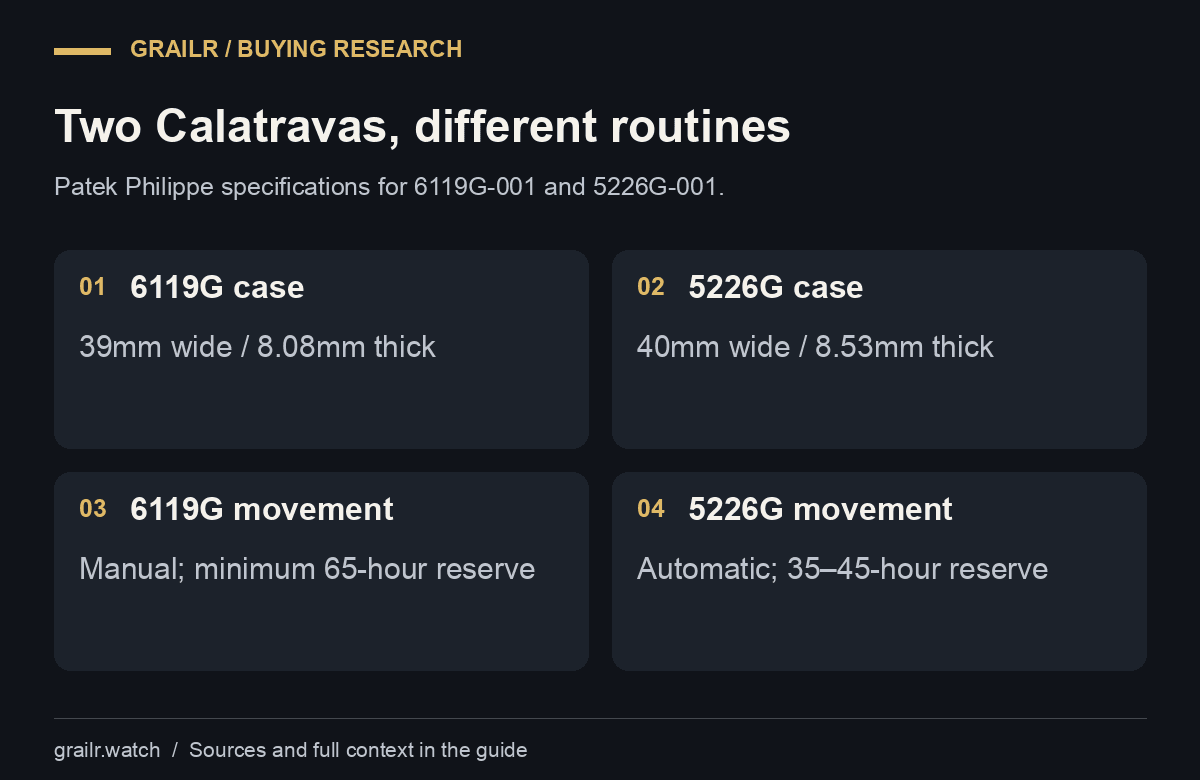
Neither movement choice is a universal upgrade over the other. Automatic winding is convenient when the watch receives enough regular wear; manual winding makes you consciously interact with it. If you alternate watches frequently, think about the routine of restarting and setting them. A feature you admire in a specification table may be less valuable than the layout you prefer every time you glance at the dial.
Patek’s 30-255 movement description explains the twin-barrel architecture used by the 6119. The useful buying consequence is its stated running reserve, not a reason to assume that every example for sale performs as new. Ask for evidence about the individual watch rather than treating its original specification as a recent mechanical test.
Dress-watch proportions versus everyday character
The difference between a 39mm and 40mm case sounds small, but the watches present themselves differently. The 6119’s decorated bezel frames a relatively spare dial. The 5226 puts more texture and information in front of you. Look at both in ordinary indoor light, under a shirt cuff and from a normal viewing distance. A high-resolution product image is excellent for studying detail and less useful for predicting how noticeable the watch will feel all day.
Bring the sort of clothing you intend to wear with it. Check whether the strap length allows the buckle to sit comfortably and whether you can fasten it without pulling the watch off-centre. A strap that is too short or too long is not a minor detail when you are spending this much. Confirm the size and availability of any replacement before agreeing to a transaction.
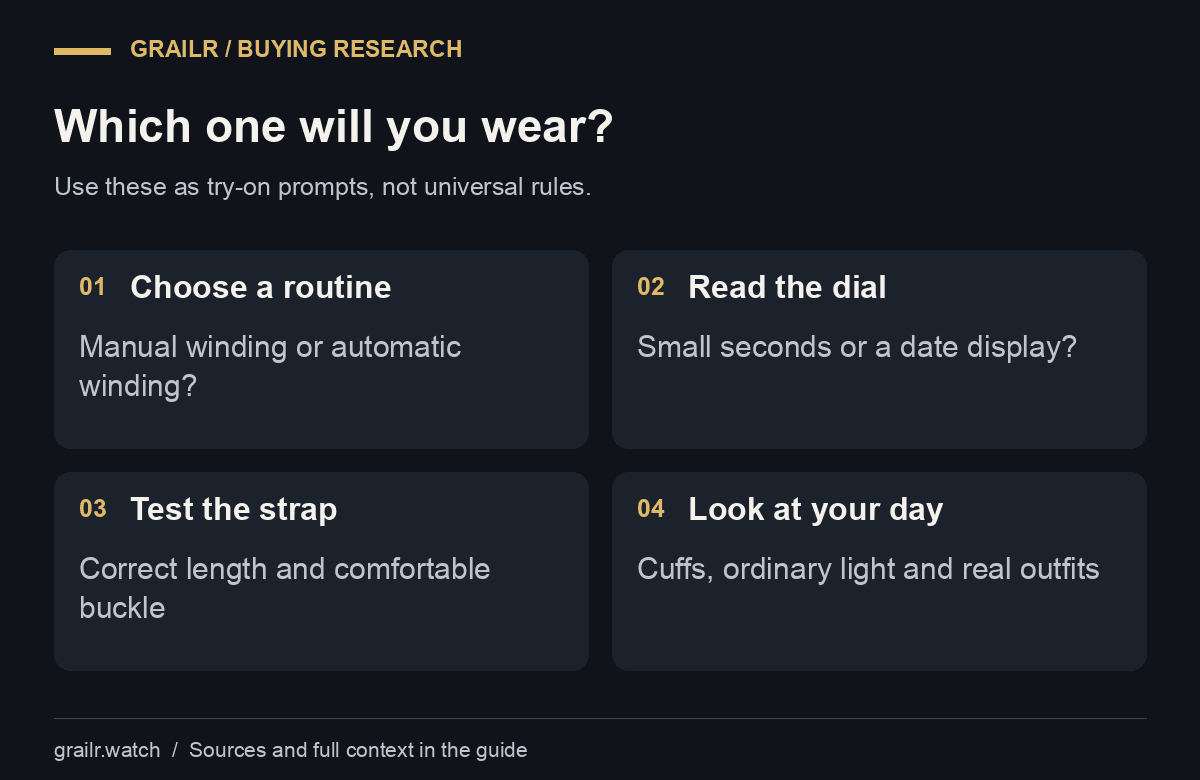
For used watches, establish whether the buckle and straps are original, replacement manufacturer parts or aftermarket items. A replacement strap can be a sensible wearable choice, but it changes what is included in the sale. The same applies to an additional strap or a precious-metal buckle missing from the photographed package. Ask for a written inventory rather than relying on “comes as shown.”
Our dress-watch comparison guide is useful if you are still testing the category. Do not buy a Calatrava solely because a sports watch you wanted is unavailable. It should appeal on its own terms. Spending an afternoon trying different case shapes can clarify that preference more effectively than studying another dozen listings on a phone.
How to compare Calatrava asking prices
Start with the exact reference, including its metal and configuration suffix. The final digits matter when you compare watches with similar names. Keep new retail offers, dealer-owned used stock and private listings in separate groups. They can include different warranties, inspection standards, return terms and accessories, so a single average mixes things that a buyer would reasonably value differently.
This guide does not assign a universal current value to either reference. We did not obtain a sufficiently matched set of completed sales to justify that claim. Instead, request current written offers from the sellers you would actually consider and record their conditions. A manufacturer’s price, where displayed in your region, is useful context but is not proof of stock or of what a used watch should command.
Build your comparison around the evidence you have: full reference, date of original sale, case condition, service history, documents, buckle and straps. Add the location, currency, delivery costs and any tax or import charges applicable to you. If a listing lacks one of those details, mark it as missing rather than making an assumption that makes the offer easier to compare.
When two prices are far apart, ask what explains the gap before calling one a bargain. There may be a condition difference, an incomplete set or simply an ambitious seller. Our guide to buying a used Patek expands on those checks. A comparison becomes useful when you can describe why one offer costs more, rather than merely observing that it does.
Service costs belong in the budget
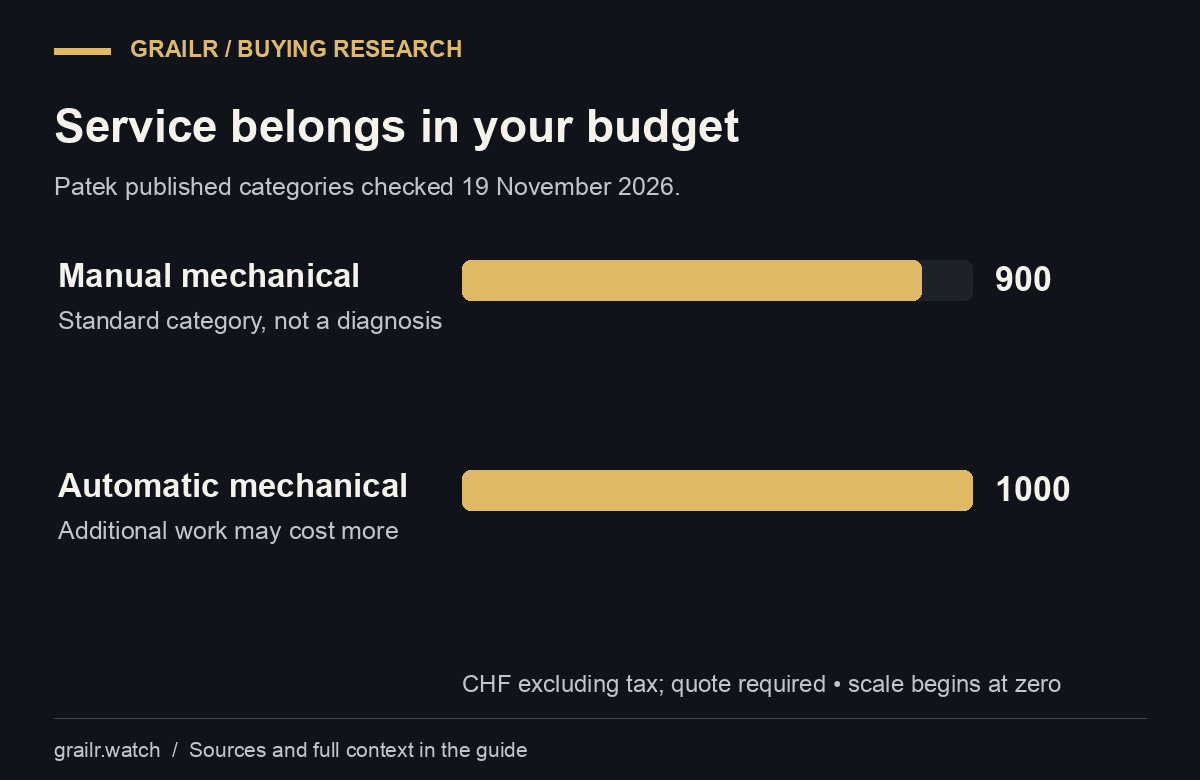
Patek publishes a service cost schedule in Swiss francs, excluding tax. At the time of research, it listed CHF 900 for a manually wound mechanical watch and CHF 1,000 for a self-winding mechanical watch. Those categories are planning references, not a diagnosis or a complete quote for the Calatrava in a seller’s photographs.
| Published category | Listed amount | How to use it |
|---|---|---|
| Mechanical, manually wound | CHF 900 | Starting category for a standard service enquiry |
| Mechanical, self-winding | CHF 1,000 | Starting category for a standard service enquiry |
| Alligator strap replacement | CHF 450 | Confirm size, material and options |
| Calfskin strap replacement | CHF 280 | Confirm the exact replacement specification |
| Additional components or restoration | Quote required | Do not assume included in routine service |
The practical question is whether the watch needs work now, later or not at all based on a professional assessment. “Running well” is not an itemised service record. Ask for the date, provider and scope of the last work, then verify that the invoice identifies the watch. A seller may have paid only for an adjustment while a buyer imagines a full overhaul.
If service may be needed, ask what is included and whether any additional costs will require your approval. Keep cosmetic refinishing separate from mechanical work. You may prefer to preserve surface wear rather than have a case refinished, so communicate that preference before work is authorised. Patek’s service commitment describes its repair and restoration support, but it does not remove the need for an individual estimate.
Do not combine currencies casually. Convert a CHF planning amount into your budget currency using a current rate and note any payment conversion charges. Then add applicable taxes and delivery separately. The resulting calculation will still be a budget until a provider has examined the watch and confirmed the scope. Leave room for uncertainty instead of presenting a preliminary figure as a guaranteed ownership cost.
Papers, archive extracts and what they prove
Patek distinguishes the original Certificate of Origin from an Extract from the Archives. Its archive FAQ states that the certificate supplied with a new watch cannot be replaced with a copy. An extract transcribes information from historical records. It is not a new original certificate, nor should a seller describe the two as interchangeable.
The current extract service generally requires the date of first sale to be more than ten years before the request. Patek also limits requests for the same timepiece within a twelve-month period. That makes “you can order the missing papers later” an inadequate explanation for a recent watch. Check eligibility and exactly which document the seller is promising before giving it any value in your offer.
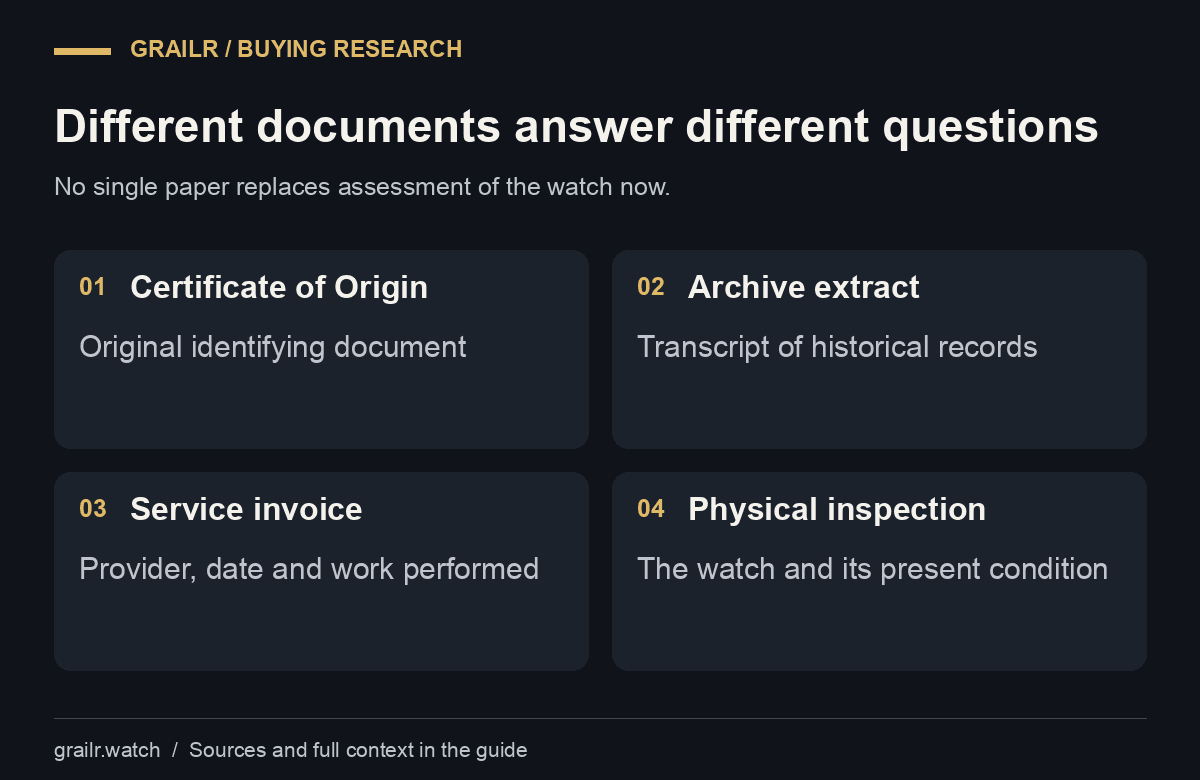
Inspect the relationship between the documents and the watch, not just the presence of a branded folder. Ask the seller or an authorised service professional to reconcile the identifying information securely. Avoid posting full serial numbers publicly while you research. A box, a card or an extract can be useful evidence without independently proving every component is original or every seller statement is accurate.
A clear paperwork inventory also prevents a common disagreement at delivery. Write down which documents you are buying: original certificate, dated retailer invoice, service invoices and any archive extract, with photographs where appropriate. “Papers included” leaves too much room for different interpretations. For help separating a family name from an actual model identifier, see our watch-reference guide.
Inspect before making the final offer
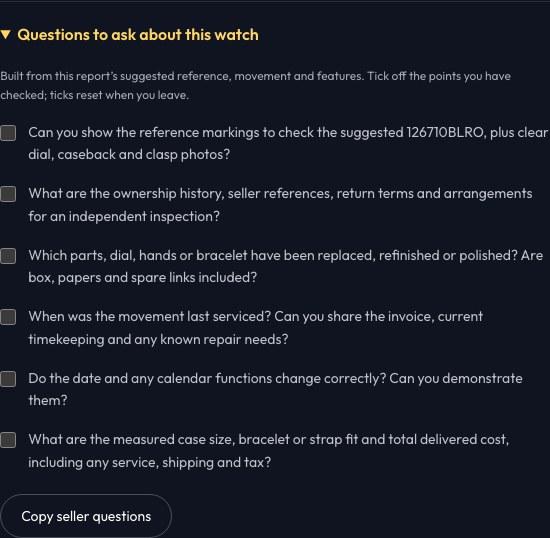
Request photographs of the actual dial, case sides, bezel, crown, caseback, buckle and strap attachments. On the 6119, pay attention to the definition of the hobnail bezel; on the 5226, ask for side views showing the decorated caseband. Ask whether either has been refinished and whether the dial, hands, crystal or crown have been replaced. Those are questions for the seller and inspector, not conclusions to infer confidently from one image.
A movement photograph, where available, can help an expert but should not persuade you to diagnose the watch yourself. Scratches, reflections and camera processing complicate visual judgments. A competent inspection can connect exterior observations with the movement and documents. Agree the inspection arrangement before paying, including the time allowed and any conditions attached to opening the case.
Look for a seller willing to answer precise questions and put important statements in writing. That is more useful than an urgent claim that another buyer is waiting. If a reference does not match, a document is unclear or the seller will not provide ordinary photographs, resolve the problem before increasing your offer. A lower price does not make missing evidence disappear.
Keep transaction protection separate from the watch’s appeal. Chrono24’s Buyer Protection information explains that arrangements differ by transaction and seller type. Read the applicable terms wherever you buy, and confirm the payment route, shipping insurance, inspection window and return process. Protection advertised by a marketplace may not apply to a deal moved outside it.
A purchase you can explain
The strongest 6119 or 5226 purchase is one you can explain without leaning on future appreciation. You prefer its design and fit, you understand its condition, and the total amount is acceptable against comparable offers. That reasoning remains useful even if market prices move. A purchase justified only by a promised resale gain is much harder to assess.
Give yourself a final written checklist: exact reference confirmed, comfortable fit, complete accessory inventory, documents reconciled, known work priced and seller terms understood. If the answers are satisfactory, decide whether the manual dress-watch routine or the automatic date-watch routine is the better fit. If they are not, keep researching. Another listing can replace a missed opportunity more easily than a discount can repair an unresolved purchase.
Frequently asked questions
Should I buy a Calatrava 6119 or 5226?
Start with the 6119 if you want a manual-wind dress watch with small seconds and a hobnail bezel. Start with the 5226 if you prefer an automatic movement, date and textured casual dial. Try both, then compare offers for the exact reference rather than deciding from the family name.
Is the Calatrava 6119 automatic?
No. The 6119G-001 uses the manually wound 30-255 PS movement. The 5226G-001 uses the automatic 26-330 S C. Their winding routines and calendar features differ, so check which one suits how frequently you expect to wear the watch.
Does every Calatrava have the same power reserve?
No. Patek specifies at least 65 hours for the 6119G-001 and a 35–45-hour range for the 5226G-001. Other Calatrava references can differ again. A published reserve describes the model; it is not a measurement of an individual used watch’s current performance.
Can I replace missing Patek Philippe papers with an archive extract?
An extract is a transcript of historical records, not a replacement Certificate of Origin. Patek states that it cannot issue a copy of the original certificate. Its current extract service is generally available only when the first sale was more than ten years ago, subject to its eligibility rules.
Does a Calatrava hold its value?
There is no reliable single retention percentage for the entire family. Reference, purchase price, condition, completeness, seller channel and resale costs all affect the result. Compare current like-for-like offers and obtain a genuine purchase offer if resale matters; an advertised asking price is not guaranteed proceeds.
Can Grailr authenticate a Calatrava from a photo?
No. Grailr offers photo-based identification assistance and indicative value research. Use it to organise questions and compare an asking price, then verify the reference and documents and arrange physical inspection where needed. Internal condition and authenticity cannot be established from a photo alone.
Sources and research method
This is a desk-researched buying guide, not a hands-on test. Manufacturer specifications were checked on 19 November 2026. Price snapshots identify their currency and source; worked examples are hypothetical. Our recommendations are editorial judgments about fit, evidence and buying costs.